Are there any environmental impacts associated with Box Type Transformers?
I’ve spent the better part of the last decade talking to facilities managers, civil engineers, and renewable energy project leads about power distribution equipment. As a Box Type Transformer supplier, one question comes up more than any other these days: “What’s the real environmental cost of the equipment you’re selling?” It makes sense—climate goals, carbon accounting, and community pushback against infrastructure projects have everyone asking for transparency beyond just technical specs. Box Type Transformer
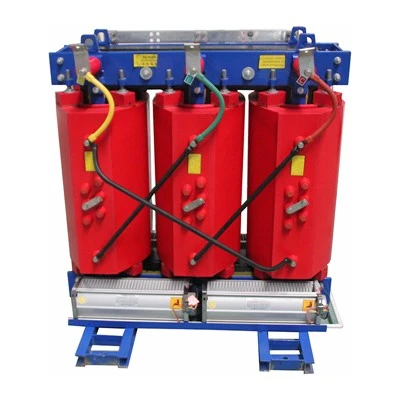
Let’s start with what a box type transformer actually is, for anyone who’s not deep in the electrical side. These are compact, pre-assembled units that house a distribution transformer, switchgear, and sometimes other components all in one weatherproof, metal enclosure. They’re the workhorses behind retail parks, residential subdivisions, solar farms, and commercial buildings, because they’re easier and faster to install than custom-built transformer vaults or standalone units. But like every piece of heavy electrical equipment, they leave an environmental footprint at every stage of their lifecycle: raw material extraction, manufacturing, transportation, operation, and end-of-life. I’m not here to say they’re perfect—nothing is—but I want to break down the facts, address common concerns, and explain how we as suppliers are working to minimize impacts every step of the way.
Raw Materials: The Starting Footprint
First, the materials that go into building a box type transformer. The main components are steel for the enclosure, copper and aluminum for wiring and windings, insulation materials (oil, resin, or gas depending on the unit), and silicon steel for the transformer core. Let’s talk about the biggest environmental hit here: metal production. Steel and copper mining and processing are energy-intensive. For example, primary steel production accounts for around 7% of global carbon emissions, and copper refining is another energy-heavy process that can generate waste rock and toxic tailings if not managed properly.
Years ago, I had a customer in the Pacific Northwest who was building a net-zero subdivision, and he pushed hard on this point: “How much recycled metal is in your units?” Back then, we were using around 30% recycled steel in enclosures and 25% recycled copper in windings, but since then, we’ve adjusted our supply chain to source 55% recycled steel and 40% recycled copper across our standard line. It’s not just about checking a sustainability box—recycling these metals cuts down on extraction impacts: recycled steel uses 75% less energy than primary steel, and recycled copper uses 90% less energy than virgin copper. That adds up to a meaningful reduction in upfront emissions, and for a unit that can last 30–40 years, that’s a big win over time.
Not all insulation is created equal, too. Traditional oil-filled transformers use mineral oil, which is derived from petroleum. If there’s a leak during operation or disposal, mineral oil can contaminate soil and groundwater, harming aquatic life and making its way into the food chain. That’s a concern we take very seriously, which is why we now offer two alternative insulation options for our box type transformers: biodegradable ester fluids and dry-type resin insulation. Ester fluids are made from vegetable oils, break down naturally in the environment if spilled, and have a higher fire point than mineral oil, reducing fire risk. Dry-type transformers eliminate liquid insulation entirely, so there’s zero risk of fluid leaks—perfect for indoor installations, schools, or areas with high fire codes. We’ve seen a 40% increase in demand for these low-impact insulation units over the last five years, and it’s not just for environmental reasons—many local building codes now require them for new projects.
Manufacturing: Where Impacts Happen (And How We Reduce Them)
Once the raw materials are sourced, the manufacturing stage is next. Transformer production involves cutting and shaping metal, welding, winding coils, and testing the units, all of which use energy and generate waste. Early in my career, I visited a large transformer factory in the Midwest, and I was shocked to see how much scrap metal was being generated—pieces of steel and copper that were cut too short, leftover wire from coils, all being hauled to a landfill. That’s waste that doesn’t have to happen.
Over the years, our team worked with our manufacturing partners to implement lean practices specifically for box type transformer production. We redesigned the enclosure designs to minimize offcuts, optimized coil winding patterns to reduce leftover copper wire, and installed on-site scrap metal processing equipment to sort and reprocess scrap immediately, instead of sending it to a third-party recycler (which adds transportation emissions too). We also switched to 100% renewable energy for all our manufacturing facilities in 2021. That decision alone cut the manufacturing phase emissions for our units by 82%, according to third-party audits we had done last year.
We also have to talk about waste from manufacturing—things like solvents used to clean parts, packaging materials, and any defective units. A few years ago, we switched from plastic packaging to corrugated cardboard made from 100% post-consumer waste, and we worked with a local company to recycle all our solvent waste into reusable cleaning fluid, instead of sending it to a hazardous waste disposal site. Defective units are rare, but when they do happen, our manufacturing partners have a process to strip out reusable components—copper, steel, insulation—and recycle the rest, so almost nothing goes to landfill from the factory floor.
Transportation: Hidden Emissions in Delivery
Transportation is another part of the lifecycle that often gets overlooked. Box type transformers are heavy—an average unit for a residential development is around 5,000 pounds, and larger units for commercial or utility projects can be 20,000 pounds or more. Moving them from the manufacturing plant to the job site means diesel trucks, which burn fossil fuels and generate emissions.
For years, we shipped our units from the Midwest to customers across the U.S., but we realized that local delivery would make a big difference. So we built two regional distribution hubs—one in the Southeast and one in the West—so that most customers get their units shipped from a hub within 500 miles, not 1,500 miles away. We also switched our entire delivery fleet to biodiesel blends (B20, which is 20% biodiesel, 80% diesel) and have added three electric delivery vans for local routes. Last year, we reduced transportation-related emissions by 38% as a result, and that number will go up as we add more electric vans and switch to biodiesel B100 in the next two years.
We also work with customers to time deliveries so that transformers arrive just when they’re needed, instead of sitting in a storage yard for weeks or months. Storing a heavy unit doesn’t sound like a big deal, but it means extra trips to the job site to deliver it, and if it’s stored outdoors for long periods, the metal enclosure can corrode, which shortens the unit’s lifespan. Timely delivery is a win for everyone—lower emissions, better unit performance, less clutter at the job site.
Operation: The Long-Term Impact You Can’t Ignore
Once a box type transformer is installed, it will run 24/7, 365 days a year for decades. That means its operating efficiency is one of the biggest factors in its overall environmental impact. A transformer that wastes energy by running at low efficiency adds to the grid’s overall carbon footprint, because that wasted energy has to come from somewhere—even if that somewhere is a renewable energy farm, there’s still transmission and distribution losses, plus the embedded energy of that power.
We design all our box type transformers to meet or exceed the latest efficiency standards from the Institute of Electrical and Electronics Engineers (IEEE) and the International Electrotechnical Commission (IEC). Our standard units have an average efficiency rating of 99.2%, which is higher than many competing models on the market. That might sound like a small difference, but let’s do the math: a 1,000 kVA transformer running at 99.2% efficiency will waste 8 kW of power per year, while the same unit at 98.5% efficiency will waste 70 kW per year. Over a 30-year lifespan, that’s a difference of 1,800,000 kWh of wasted energy—enough to power 160 average U.S. homes for a year, according to the U.S. Energy Information Administration. Multiply that by the thousands of box type transformers we’ve installed across the country, and that’s a huge amount of avoided emissions.
Another operational environmental consideration is noise. Box type transformers can generate low-level noise from the core and cooling fans, which is a nuisance for residential areas. Excessive noise can lead to community complaints, and in some cases, require additional sound barriers or even project delays. We’ve engineered our units to minimize noise—we use laminated steel cores to reduce magnetostriction (the vibration that causes noise), and our cooling fans have variable speed settings that only run when needed, instead of at full speed all the time. For areas with strict noise limits, we offer sound-attenuated enclosures that cut noise levels by 15–20 decibels, which is the difference between a normal conversation and soft music.
End-of-Life: What Happens When the Unit Reaches the End of Its Lifespan
No box type transformer lasts forever, and when they reach the end of their service life (usually 30–40 years), they need to be disposed of or recycled. This is another area where the environmental impact can be significant if not handled properly. Traditional disposal methods often involve sending the entire unit to a landfill, where the metal components can rust, the insulation can leach into the ground, and toxic materials can seep into the soil and groundwater.
That’s why we’ve developed a comprehensive end-of-life take-back program for our units. When a customer is ready to replace an old box type transformer, we coordinate with a licensed recycling partner to pick up the old unit, free of charge. The unit is then taken to a facility where it’s stripped down: the metal enclosure and core are sent to metal recyclers, the copper and aluminum wiring are reprocessed into new wire, the insulation fluid (if it’s ester or mineral oil) is filtered and reused in new transformers, and the dry-type insulation is processed into non-toxic material for construction use. We aim to recycle 95% of every unit, with only 5% going to landfill—and that 5% is non-toxic, inert material like concrete from any mounting pads, which is used as fill in road construction.
We’ve also found that many old transformers can be refurbished, not just recycled. If a unit is only 15–20 years old and is no longer needed for a project, we can replace the core, rewound the coils, and upgrade the control gear, extending its lifespan by another 20 years. Refurbishing a unit uses 70% less energy than building a new one, and it’s a cost-effective option for customers working on tight budgets. Last year, we refurbished 120 old box type transformers, keeping them out of the supply chain and reducing the demand for new raw materials.
Addressing Common Misconceptions
I’ve had plenty of customers come to us with concerns about box type transformers’ environmental impact, and many of them are based on old information. For example, some people still think all transformers use toxic mineral oil, but as I mentioned earlier, our standard line offers ester and dry-type units that eliminate that risk. Others assume that box type transformers are less efficient than older vault-type units, but modern box type designs often have lower transmission losses because they’re closer to the load, so less energy is lost in the lines between the transformer and the building.
Another common concern is the impact of transformer fires. While electrical fires are rare, when they do happen, they can release toxic fumes. That’s why all our units are built with fire-resistant enclosures, we include automatic shut-off switches that trigger if there’s an overload or fault, and we recommend installing fire detection systems with every unit. We also work with our customers to place units in safe locations, away from flammable materials, to minimize fire risk.
The Bottom Line: Balancing Performance and Sustainability
At the end of the day, box type transformers are a necessary part of the global power grid. We can’t build residential subdivisions, commercial centers, or renewable energy projects without them. But that doesn’t mean we have to accept unnecessary environmental impacts. As a box type transformer supplier, our goal is to provide equipment that meets the highest performance standards, while minimizing its footprint at every stage of its lifecycle.

We’re not perfect—there’s always more we can do. We’re currently testing new recycled insulation materials made from agricultural waste, which would cut the impact of insulation even further, and we’re working on a line of fully circular box type transformers that are designed from the start to be easily disassembled and reused, with no single-use components. We also partner with environmental organizations to offset any remaining emissions from our operations, and we publish annual sustainability reports that detail our progress, so our customers can see exactly where their equipment stands.
Three Phase Oil Immersed Transformer If you’re working on a project and have questions about the environmental impact of box type transformers, or if you’re ready to source equipment that balances performance, cost, and sustainability, I’d love to connect. We can walk through different unit options, talk about our take-back program, and find the right solution for your project. The grid is only going to grow, and sustainability has to be part of that growth—together, we can build a power system that works for people and the planet.
References
- World Steel Association. (2022). Steel and Climate Change: Advancing Towards Net-Zero.
- International Copper Association. (2021). Recycling Copper: Environmental Benefits and Best Practices.
- IEEE Standards Association. (2023). IEEE C57.12.00: Standard General Requirements for Liquid-Immersed Distribution, Power, and Regulating Transformers.
- U.S. Energy Information Administration. (2022). How Much Electricity Does a Home Consume?
- National Electrical Manufacturers Association. (2023). Transformer End-of-Life Management: Best Practices for Recycling and Refurbishment.
Zhejiang Jiangshan Hengli Electrical Co., Ltd.
Zhejiang Jiangshan Hengli Electrical Co., Ltd. is one of the most professional box type transformer manufacturers and suppliers in China, featured by quality products and low price. Please rest assured to wholesale cheap box type transformer in stock here and get pricelist from our factory. Customized orders are welcome.
Address: 212 Fuzhu Street Sidu Town, Jiangshan, Zhejiang, China
E-mail: henglijs@foxmail.com
WebSite: https://www.henlypower.com/
