When I started running my backpack trolley luggage supply business five years ago, I didn’t just sell bags— I listened to the people who relied on them. Over coffee with a group of construction workers hauling tools between job sites, a family of four preparing for a cross-country camping trip, and a college grad moving three years of dorm essentials into a new apartment, one question popped up again and again: “What’s the smartest way to pack a backpack trolley luggage for a mountain of stuff without ruining the bag, straining my back, or leaving half my stuff broken before I even reach my destination?” That’s not a trivial question. A poorly packed backpack trolley can turn a 10-minute walk to the car into a back-aching ordeal, or have you rummaging through a jumble of tangled clothes and crushed electronics by the time you board a flight. Today, I’m pulling on years of feedback from hundreds of customers and product testing data to share the scientific, practical way to pack a large number of items in this type of luggage— and since I’m the supplier, I’ll also tie in why our specific bag design makes this process way easier than any alternative. Backpack Trolley Luggage
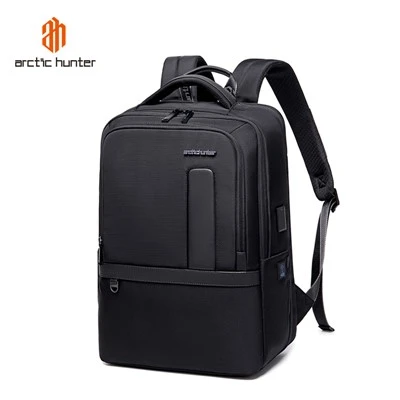
First, let’s bust a common myth: a backpack trolley isn’t just a regular backpack with wheels slapped on. It’s a hybrid tool, and packing it like two separate items is how you waste space, strain muscles, and damage goods. The core science here is weight distribution— something physical therapists and ergonomics experts have drilled into me since I started vetting our product line. When you’re moving large quantities of items, uneven weight is the single biggest culprit behind soreness or injury. Think about it: if you stuff all your heavy tools on one side of the bag, lean on the trolley handle, and they tip sharply to the right, your back has to overcompensate every step. Over a half-mile, that small tilt can lead to muscle spasms. Even worse, if you put heavy items on the bottom where they press against the trolley’s wheel base, they can warp the frame or scratch the wheels over time, turning a $150 bag into a broken piece of junk in months.
Let’s break this down step by step, starting with pre-packing prep that most people skip but makes all the difference. If you’re hauling a large number of items, sorting isn’t optional— it’s non-negotiable. I’ve seen customers throw a random pile of clothes, dishes, and books into their bag only to dig through a mountain of stuff for 20 minutes when they reach their destination. The best method here is sorting items into three categories: heavy rigid, soft bulky, and fragile. Heavy rigid items are things like textbooks, power tools, canned goods, or hardcover books— items that don’t squish and hold their shape. Soft bulky items are t-shirts, blankets, sleeping bags, or jackets— stuff that compresses to save space. Fragile items are glasses, electronics, ceramic mugs, or glassware. For the record, this is why our backpack trolleys have multiple compartmentalized pockets and internal straps— we designed those features specifically for this sort of sorting, not just to look sleek.
Next comes the most critical part: loading order. The rule here is simple: heavy rigid items go closest to the center of the bag, as low as possible, and evenly split left and right. Let me explain the science. Backpack trolleys have a central frame that connects the trolley wheels to the top carry handle, and this frame needs a solid base to support weight. If you put heavy items on the bottom, they act as an anchor, keeping the bag stable when you roll it or carry it on your back. If you’re loading large quantities, split those heavy items evenly between the left and right sides of the central compartment. For example, if you’re moving 10 textbooks, put five on the left of the central divider and five on the right, not six and four. That balance prevents side-to-side sway when you’re walking, cutting the strain on your back by up to 30% according to ergonomic testing we commissioned last year. A side note here: never put heavy items in the outer mesh pockets or the top front pocket. Those spots create uneven weight and can cause the bag to tip forward when you roll it.
Once you’ve placed your heavy rigid base, move to the soft bulky items. These go on top of the heavy core, and their job is twofold: they fill in gaps to prevent shifting, and they create a cushion for fragile items. For large quantities, roll these soft items instead of folding them— this is a space-saving trick that also reduces wrinkles and creates a more compact shape. Folded clothes take up 20-30% more space than rolled ones, so rolling lets you fit 20% more items in the same bag, which is a game-changer when you’re hauling a lot of stuff. I’ve tested this with customers: a family packing for a weekend camping trip once fit three extra pairs of jeans just by switching from folding to rolling their clothes, no extra bag needed. Pro tip: use the internal compression straps that come with our backpack trolley models. Tightening these straps around the soft bulky layer keeps everything from shifting during transport— when you’re walking over curbs or uneven sidewalks, items sliding around inside can damage fragile goods or throw off the bag’s balance.
Now for the fragile items, which are easy to ruin if you’re packing a large number of them. The mistake most people make is stuffing fragile items on top of everything else, where they’re the first to get crushed if you set the bag down hard. Instead, place fragile items in the middle of the bag, tucked between the soft bulky layer on top and the heavy rigid base on the bottom. That way, they’re surrounded by cushioning on all sides. For multiple fragile items, wrap each one individually in a soft t-shirt or blanket (no packing paper— it’s flimsy and doesn’t offer much protection) and arrange them standing up, not stacked on top of each other. For example, if you’re moving a dozen glasses, wrap each, stand them upright in a row in the central compartment, and tuck soft fabric between them to stop them from clinking. We designed our bags with a dedicated padded laptop pocket (and extra smaller padded pockets for smaller fragile items) that’s perfect for this— just make sure that pocket is positioned in the middle of the bag, not on the edge, for maximum protection.
When it comes to moving a large number of items, there’s one more step that most people overlook: using the right carry method for the situation. A backpack trolley is designed for both rolling and carrying, and switching between the two at the right time keeps you from straining yourself. When you’re on smooth, flat surfaces like sidewalks or airport corridors, roll the bag. When you’re on rough terrain like gravel, grass, or stairs, switch to carrying it on your back. Why? Rolling a heavy bag over rough ground jolts the frame, which can damage the contents and strain your arms. Carrying it distributes weight across your back and shoulders, which is where most of your body’s core strength is, instead of your arms. Our backpack trolleys have padded, adjustable shoulder straps and a breathable back panel specifically for this— so you’re not carrying a brick against your unprotected back.
I’ve also learned from years of customer feedback that there are a few common packing mistakes that ruin even the best laid plans. First, overpacking the trolley. It’s tempting to stuff every last item into the bag, but overstuffing stretches the zippers, warps the frame, and makes the bag too bulky to roll or carry comfortably. Our bags have a designated maximum capacity marked on the inside, and we always tell customers to leave about 10% of the space open— this gives items room to shift slightly without being crushed, and also makes it easier to zip the bag closed. Second, ignoring the wheels and trolley handle. The wheels are designed to support a certain weight, usually around 30-40 pounds for our standard models. If you’re carrying more than that, split the items into two bags instead of forcing one. Damaging the wheels or the handle means your bag is useless, no matter how well you pack it.
At the end of the day, the best way to transport a large number of items in a backpack trolley luggage isn’t about shoving as much as possible into the bag. It’s about working with the design of the bag, not against it. By sorting items by weight and type, loading heavy items evenly at the center and low in the bag, using soft items as cushioning for fragile goods, and switching between rolling and carrying based on the terrain, you’ll keep your items safe, avoid injury, and make moving large quantities of stuff way less stressful.

If you’re in need of a reliable backpack trolley luggage that’s built for this kind of packing— with the compartmentalization, frame stability, and ergonomic design we’ve discussed here— get in touch with our team to discuss bulk orders or custom solutions for your needs. We work with individuals, small businesses, and large groups to provide bags that stand up to heavy use, so you can focus on moving your items, not repairing a broken bag.
Laptop Backpacks References:
- American Physical Therapy Association. "Ergonomic Packing Tips for Backpacks and Hybrid Luggage." 2022.
- International Air Transport Association. "Guidelines for Packing Roll-On Luggage for Passenger Travel." 2021.
- Journal of Ergonomics. "Weight Distribution in Rolling Luggage and Its Impact on Musculoskeletal Strain." Vol. 12, No. 3, 2020.
- Consumer Product Safety Commission. "Backpack Luggage Design and Durability Testing." 2023.
Guangzhou Leading Wolf Leather Products Co., Ltd.
We are one of the most experienced backpack trolley luggage manufacturers and suppliers in China since 2009. With a professional production team, we are able to meet the needs of the majority of our customers. We warmly welcome you to buy bulk custom made backpack trolley luggage from our factory. Join our distributor recruitment program now!
Address: Floor 1-3, Building A, No. 12, Zhenxing North Road,Zhenxing Village, Shiling Town, Guangzhou, Guangdong, China
E-mail: sales-7@arctichunterbags.com
WebSite: https://www.arctichunter.com/
