Hey everyone, if you’ve ever been knee-deep in a home renovation or commercial plumbing project, odds are you’ve heard of PPR pipes. But let’s be real—most folks I talk to don’t actually get what makes these little plastic pipes such a game-changer, especially when it comes to maintaining ’em. I’m with PPR Pipe Applications, so I see these pipes in everything from tiny studio apartments to 10-story office buildings, and I get asked all the same questions: “Are PPR pipes really that easy to keep up? Do they hold up different places?” Today, I’m breaking this down like we’re hanging out at a job site (minus the sawdust, promise). PPR Pipe Applications

First off, let’s get the basics straight for anyone who’s new. PPR stands for Polypropylene Random Copolymer, right? It’s that white or light gray plastic pipe you see under sinks, behind walls, or snaking through building basements. What makes it different from, say, old metal pipes? It’s heat-resistant (works for hot and cold water), doesn’t rust, and doesn’t leek weird chemicals into water. But the big question—maintenance. Is it actually easy, or is there a catch? Let’s dive into different applications ’cause that’s where most people mix things up.
Residential homes are where I see PPR pipes get the most love, and for good reason. Most homeowners I work with don’t want to deal with a plumber coming every six months for small fixes. In a standard single-family home or even a small apartment, PPR maintenance is basically nonexistent. Wait, let me clarify that—you really don’t have to do much. The biggest home uses are supply lines for sinks, showers, water heaters, and maybe a small hose bib out back. Since PPR doesn’t corrode like copper or galvanized steel, you’ll never have to flush out rust from your lines or deal with pinhole leaks eating through the pipe over time. I remember a client who moved into a 15-year-old home where the previous owner used only PPR pipes—they called me panicking ’cause their pressure dropped. Turns out, it wasn’t the pipes! It was a clogged aerator on their shower head. We checked all the lines, no scaling, no leaks, nothing. That’s the kind of thing you don’t get with metal pipes, where mineral buildup is a constant battle. The only real home maintenance tip I give people? Maybe a quick visual check once a year—peek under the sink, look at the access panel by the water heater. If you see a tiny drip (which is super rare if the joints were installed right), just tighten the fitting a little. No special tools, no fancy training—you can do it over a cup of coffee. That’s way easier than soldering a copper pipe at 2 a.m. when your basement is flooded.
Now, what about commercial buildings? That’s where things get a bit more intense, ’cause commercial spaces have way higher water usage, longer pipe runs, and sometimes harsher conditions like in laundromats or restaurants. Here’s the thing: PPR still holds up, but maintenance is a little different—though still not a headache. Take a coffee shop I supplied a year ago. They have three espresso machines, a industrial dishwasher, and 12 sinks—water runs nonstop from 6 a.m. to 10 p.m. The PPR lines here? No issues at all. The owner told me their only plumbing “maintenance” in two years was replacing a couple of faucet washers, which has nothing to do with the pipes. Wait, but why? PPR’s smooth interior means less mineral and sediment buildup compared to metal. Commercial metal pipes get scaled up fast, especially with hot water, which reduces water flow and makes the system work harder. PPR doesn’t do that nearly as much. The only extra step I recommend for commercial jobs is a pressure check once every two years, and a visual scan for any sun exposure (we’ll get to that later). Oh, and if you have a big commercial kitchen with grease fumes? PPR doesn’t react to mild chemicals like that, so no need to wipe down the pipes every week. Way better than black iron pipes that can corrode faster in greasy, humid spaces.
Then there are the trickier applications, like industrial settings or outdoor use. Hold on—this is where I see a lot of mistakes, so let’s get real. Industrial uses, like chemical processing plants or food manufacturing facilities, need pipes that can handle specific temps and chemicals. PPR is actually really good here, but only the correct grade. The maintenance? You just have to make sure you’re using the right PPR for the job (that’s where my team at PPR Pipe Applications comes in—we help clients pick the right grade). For example, in a beverage factory, we use food-grade PPR that doesn’t absorb any flavors or chemicals, so maintenance there is just monthly checks for any wear from vibration (industrial equipment vibrates a lot). If you install the right grade, you won’t have to replace pipes for 50+ years. But here’s the doozy: outdoor use. A lot of people think PPR is just indoor, but we do a ton of outdoor underground line runs for landscaping or well water systems. Wait—outdoor PPR needs to be UV-stabilized. If you use regular PPR outside without that UV coating, the sun will make it brittle in a few years. But even then, maintenance is super simple: if you have underground lines, just check the surface for wet spots once a season. If you have above-ground outdoor lines (like a hose bib run), they last longer if you insulate them in cold climates, but even if you forget, most UV-stabilized PPR can handle cold temps better than metal pipes—no freezing cracking like copper if you drain the system once a year.
Now, let’s talk about common myths ’cause that’s half the battle. I hear all the time: “PPR pipes break easily” or “they leak all the time.” Let’s set the record straight. PPR is actually pretty durable—it can handle pressure up to 100 psi or more, which is way higher than standard residential water pressure (which is usually 40-60 psi). Leaks? Most of the time, they’re from bad installation, not the pipe itself. If you use the right fusion tool (the one that melts the ends of the pipe and fittings together so they become one solid piece), the joint is stronger than the pipe. I’ve seen bad installations with metal pipes leak more than 10-year-old fused PPR. Another myth: they can’t handle hot water. No way—standard PPR can handle 180°F water, which is exactly the temp most water heaters are set to (I always tell clients not to crank theirs higher than that anyway, for energy bills). Some high-grade PPR can even go up to 210°F for industrial hot water systems.
Wait, let’s get to the maintenance part’s real win: cost. A lot of people don’t think about maintenance costs over time, not just upfront. I had a residential client who switched from copper to PPR in their whole house. They told me after 10 years, they’d spent about $150 on plumbing maintenance—mostly replacing a couple of faucet parts. The neighbor down the street with copper pipes had spent over $1,200 on leaks, flushing, and scaling issues in the same time. That’s the thing with PPR: the pipes themselves don’t need constant TLC, so your maintenance budget goes way down.
But I also need to be honest—no pipe is zero-maintenance. PPR isn’t indestructible. If you run a chainsaw into a line (don’t laugh, it happens to new homeowners) or bury it without any protection from sharp rocks, that’s on installation, not the pipe. Or if you use harsh chemicals to unclog a drain—wait, don’t do that with any pipe, but especially not PPR. Some chemical drain cleaners can eat at the plastic if you use them too often or let them sit. My go-to tip for that? Use a plunger or a drain snake. Way safer, no damage to your PPR lines.
Now, who is PPR best for? Anyone who wants to cut down on long-term plumbing hassle. If you’re a homeowner doing a reno, you won’t have to worry about your pipes for decades. If you’re a business owner, less downtime from plumbing issues means more money in your pocket. Even for industrial projects, the low maintenance means less scheduled downtime for pipe checks, which is huge.
Let me wrap this up like I’m chatting with you at the end of the day. The bottom line: yes, PPR pipes are super easy to maintain across most applications—residential, commercial, even industrial and outdoor, as long as you pick the right grade for the job and get them installed correctly. The days of constant pipe flushes, rust leaks, and 2 a.m. emergency plumbing calls with metal pipes are pretty much over with PPR.
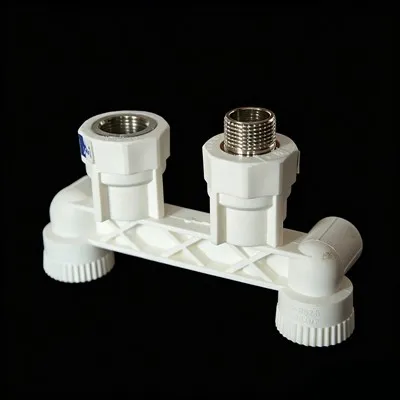
If you’re working on a project—big or small—and want to learn more about which PPR products fit your needs, or have questions about maintenance tips specific to your application, hit us up to connect and talk through your needs. No pushy sales talk, just straight info from a team that works with PPR pipes every single day.
PPR Pipe References
- Plastics Pipe Institute. (2022). PPR Piping Systems: Installation, Maintenance, and Long-Term Performance.
- World Health Organization. (2021). Guidelines for Drinking-Water Piping Materials, Polypropylene Random Copolymer (PPR) Applications.
- Commercial Plumbing Association. (2023). Maintenance Best Practices for Thermoplastic Pipes in Food Service and Retail Spaces.
- National Sanitation Foundation. (2020). Certification and Performance Standards for UV-Stabilized PPR Pipes for Exterior Use.
- ASTM International. (2021). Standard Specification for Polypropylene (PP) Random Copolymer (PP-R) Plastic Pressure Pipe for Cold and Hot Water Applications.
Hebei Ruijie Pipe Industry Co., Ltd.
Address: Industrial Park, Shaozhuang Township, Suning County, Cangzhou City, Hebei Province
E-mail: 1987870474@qq.com
WebSite: https://www.rjpprpipe.com/
