As a TPEE (Thermoplastic Polyester Elastomer) supplier deeply embedded in the industry, I’ve witnessed firsthand the significance of understanding the flowability of TPEE during the processing stage. Flowability, in the context of TPEE, is a crucial characteristic that can make or break the success of a manufacturing operation. It directly influences the ease with which the material can be molded, extruded, or otherwise shaped into the desired end – product. TPEE
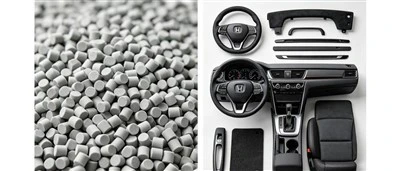
Understanding TPEE and Its Fundamentals
TPEE is a unique class of polymers that combines the high – performance characteristics of thermoset rubbers with the processing advantages of thermoplastics. It consists of hard polyester segments and soft polyether segments, which give it an excellent balance of mechanical properties, such as high elasticity, good abrasion resistance, and exceptional chemical resistance.
The flowability of TPEE is primarily determined by its molecular structure. The length of the polymer chains, the degree of branching, and the intermolecular forces between the chains all play important roles. Shorter polymer chains generally lead to better flowability because they can move more freely within the melt. In contrast, longer chains tend to entangle with each other, creating more resistance to flow. Similarly, a higher degree of branching can disrupt the flow of the polymer melt, as the branches can get caught on one another.
Factors Affecting the Flowability of TPEE
- Temperature: Temperature is perhaps the most critical factor affecting the flowability of TPEE. As the temperature rises, the polymer chains gain more thermal energy. This energy allows them to move more freely, reducing the viscosity of the TPEE melt. However, it’s a delicate balance. If the temperature is too high, the TPEE may degrade, leading to a loss of its mechanical properties. Most TPEE grades have an optimal processing temperature range, and staying within this range is essential for achieving good flowability without compromising the material’s quality.
- Shear Rate: Shear rate is another important factor. When TPEE is being processed, such as during injection molding or extrusion, it experiences shear forces. A higher shear rate can align the polymer chains in the direction of flow and break up some of the molecular entanglements. This results in a decrease in viscosity and an improvement in flowability. However, if the shear rate is too high, it can cause excessive heating of the material, which may also lead to degradation.
- Additives: Manufacturers often use additives to modify the properties of TPEE, including its flowability. Process aids, such as lubricants and plasticizers, can be added to reduce the friction between the polymer chains, making it easier for them to slide past one another. This leads to an increase in flowability. However, the use of additives must be carefully controlled, as they can also affect other properties of the TPEE, such as its mechanical strength and chemical resistance.
Measuring the Flowability of TPEE
There are several methods to measure the flowability of TPEE. One of the most common methods is the melt flow index (MFI) test. In this test, a specified amount of TPEE is heated to a certain temperature and forced through a die under a specific load. The amount of material that flows through the die in a given time is measured, and the result is reported as the melt flow index. A higher MFI value indicates better flowability.
Another important measurement is the viscosity of the TPEE melt. Viscosity is a measure of a fluid’s resistance to flow. Lower viscosity means better flowability. Rheometers are often used to measure the viscosity of TPEE melts under different shear rates and temperatures. This provides more detailed information about how the material will behave during processing.
Importance of Flowability in Different Processing Methods
- Injection Molding: In injection molding, good flowability of TPEE is crucial for filling the mold cavity completely. If the flowability is poor, the material may not reach all parts of the mold, resulting in incomplete parts or parts with defects such as short shots or weld lines. Moreover, good flowability allows for faster injection speeds, which can increase the production efficiency.
- Extrusion: In extrusion processes, such as the production of tubes, profiles, or sheets, the flowability of TPEE affects the quality of the extruded product. A material with good flowability can be extruded smoothly, resulting in products with uniform dimensions and a smooth surface finish. On the other hand, poor flowability can lead to problems such as uneven wall thickness, surface roughness, and even die swelling.
- Blow Molding: In blow molding, which is used to produce hollow products like bottles and containers, the flowability of TPEE is essential for achieving a uniform wall thickness. During the blowing process, the molten TPEE must be able to flow evenly to form the desired shape. If the flowability is inadequate, the final product may have thin or thick spots, which can compromise its structural integrity.
Case Studies
Let me share a few case studies that demonstrate the importance of understanding and controlling the flowability of TPEE.
One of our clients was producing small, intricate injection – molded parts. Initially, they were using a TPEE grade with a relatively low melt flow index. They were experiencing problems with incomplete filling of the mold cavity, resulting in a high rejection rate. After consulting with our technical team, we recommended a TPEE grade with a higher MFI. The new grade had better flowability, and as a result, the parts were being molded completely with fewer defects. This led to an increase in production efficiency and a significant reduction in scrap rate.
Another client was involved in the extrusion of TPEE tubes. They were facing issues with uneven wall thickness and surface roughness. An analysis of their process showed that the TPEE they were using was not flowing uniformly through the die. By adjusting the processing temperature and adding a small amount of a lubricant additive, we were able to improve the flowability of the TPEE. This resulted in tubes with a more uniform wall thickness and a smoother surface finish.
Optimizing the Flowability of TPEE in Your Process
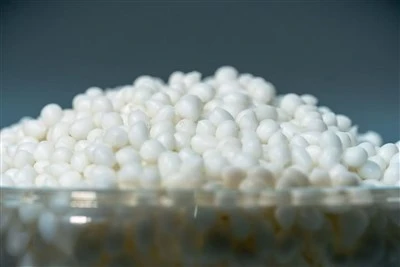
To optimize the flowability of TPEE in your manufacturing process, here are some key steps:
- Select the Right Grade: Choose a TPEE grade with a melt flow index that is suitable for your specific processing method and the complexity of your product. Our technical team can help you select the most appropriate grade based on your requirements.
- Control the Processing Conditions: Monitor and control the temperature, shear rate, and pressure during processing. Keep the temperature within the optimal range for your TPEE grade, and adjust the shear rate as needed to improve flowability without causing degradation.
- Use Additives Wisely: If necessary, use additives to improve flowability. However, carefully evaluate the potential impact of these additives on other properties of the TPEE, and conduct thorough testing before implementing them in your production process.
Contact Us for Your TPEE Needs
TPE If you are in the market for high – quality TPEE with excellent flow properties, look no further. Our company has been a leading supplier of TPEE for many years, and we have a deep understanding of the material and its processing requirements. We offer a wide range of TPEE grades to meet the diverse needs of different industries. Our technical experts are always available to provide you with customized solutions and support to ensure the success of your manufacturing process. Contact us today to discuss your TPEE requirements and start a fruitful partnership.
References
- Brydson, J. A. (1999). Plastics Materials. Butterworth – Heinemann.
- Osswald, T. A., & Menges, G. (2003). Materials Science of Polymers for Engineers. Hanser Gardner Publications.
- Lee, L. H., & Rauwendaal, C. (2007). Polymer Rheology Handbook. CRC Press.
Kunshan Kesun Polymer Co., Ltd.
Kunshan Kesun Polymer Co., Ltd. is one of the most professional TPEE manufacturers and suppliers in China, featured by quality products and low price. Please feel free to wholesale bulk eco-friendly TPEE from our factory. Contact us for customized service and free sample.
Address: No.108,Jinmao Road,Zhoushi Town,KunShan ,Jiangsu,China
E-mail: melody_yang@kesuntpe.com
WebSite: https://www.kesun-tpe.net/
