Hey there, fellow ceramic enthusiasts and business owners! I’m an experienced supplier in the gas fired kiln game, and I’ve seen firsthand how the choice of firing method can make or break your project’s budget. Today, I’m going to break down how using a gas fired kiln stacks up against other firing methods when it comes to cost. Gas Fired Kiln
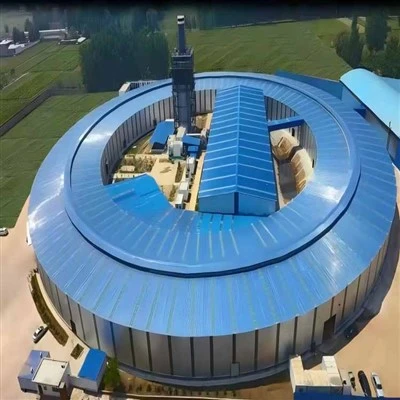
Let’s start off with electric kilns. These guys are pretty common in smaller studios and educational settings. On the surface, electric kilns seem like a sweet deal. They’re easy to install – you just need to plug ’em in, and boom! You’re good to go. There’s no need for a complex ventilation system like you’d need with a gas fired kiln.
But here’s the catch. Electricity can be pretty pricey, especially if you’re firing large batches or doing long firing cycles. The cost of running an electric kiln can really add up over time. In areas where electricity rates are high, you might find that your energy bills are through the roof. And let’s not forget about the wear and tear on the heating elements. These can be expensive to replace, and you’ll likely have to do it every so often, depending on how often you use the kiln.
On the flip side, gas fired kilns use natural gas or propane as fuel. Now, the initial setup cost of a gas fired kiln can be a bit steeper. You need to have a proper gas line installed, which might involve some plumbing work and permits. And you’ll definitely need to invest in a good ventilation system to get rid of the exhaust fumes. But once you’ve got all that sorted, the running costs can be significantly lower.
Natural gas is generally cheaper than electricity in many parts of the world. And if you’re using propane, it can still be a cost – effective option, especially if you’re in an area where gas lines aren’t available. Gas fires quickly and can reach high temperatures faster than electric kilns, which means shorter firing cycles. Less time spent firing means less money spent on fuel.
Another big advantage of gas fired kilns is that they’re more forgiving on the environment. Gas burns cleaner than some other fuels, and it produces less greenhouse gas emissions per unit of heat compared to electricity generated from coal or some other non – renewable sources. So not only are you saving money, but you’re also doing your part for the planet.
Now, wood – fired kilns. These are the traditional way of firing ceramics, and they create a unique and beautiful look on the finished pieces. However, when it comes to cost, wood – fired kilns can be a real headache.
First of all, finding a reliable source of good quality wood can be difficult. You need to use the right type of wood, and it needs to be dry enough to burn efficiently. Buying pre – cut firewood can be expensive, and if you’re cutting your own, you’ve got to factor in the cost of the equipment and your time.
Wood – firing also takes a long time. You need to constantly tend to the fire, adjust the air flow, and monitor the temperature. This means a lot of labor hours, which adds to the overall cost. And because the firing process is less predictable, you might end up with a higher rate of defective pieces, which is a waste of both materials and time.
Salt and soda firing are also on the table. These methods use special chemicals to create unique surface effects on the ceramics. The chemicals themselves can be costly, and the firing process often requires a specific type of kiln, which can be expensive to purchase and maintain.
For salt firing, you’re spraying salt into the kiln during the firing process. The salt vaporizes and reacts with the clay and glaze to create a distinctive texture. But the salt can be corrosive to the kiln’s interior, which means you’ll need to replace parts more often. And the ventilation system needs to be extra – strong to handle the salt fumes.
Soda firing uses sodium carbonate, which is also a bit pricey. Similar to salt firing, it can cause wear and tear on the kiln, and the ventilation requirements are high.
When it comes to long – term cost, a gas fired kiln is often the winner. The lower fuel costs and relatively low maintenance requirements (compared to some other methods) make it a great investment for both small – scale studios and large – scale production facilities.
If you’re a small business owner, you’re probably looking at your bottom line all the time. A gas fired kiln can help you keep your production costs down, which means you can offer your products at a more competitive price. And if you’re an artist, you’ll have more money in your pocket to invest in new materials or expand your collection.
I’ve seen so many customers come to me, frustrated with the high costs of their current firing methods. After switching to a gas fired kiln, they’re amazed at how much money they’re saving. One of my customers, a small pottery studio, was spending a fortune on electricity for their electric kiln. After making the switch to a gas fired kiln, they saw their energy costs drop by almost half in the first year.
So, if you’re thinking about upgrading your firing method or starting a new project, I highly recommend considering a gas fired kiln. It might take a little bit of upfront investment, but in the long run, it’s going to pay off big time.
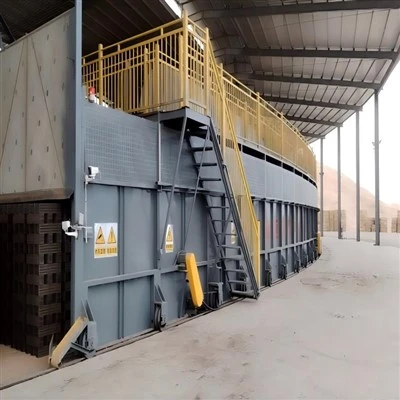
If you’re interested in learning more about our gas fired kilns or want to discuss how they can fit into your budget, don’t hesitate to reach out. We’re here to help you make the best decision for your business or creative endeavors.
Large‑section Ceramic Kiln References
- "The Pottery Handbook" by Tim Schur
- "Ceramic Kilns: Types and Operation" published by the Ceramic Arts Network
Henan Yaxin Kiln Co., Ltd.
Henan Yaxin Kiln Co., Ltd. is one of the most professional gas fired kiln manufacturers and suppliers in China. With abundant experience, we warmly welcome you to buy high quality gas fired kiln with the latest design from our factory. Good service and punctual delivery are available.
Address: Jixian Industrial Zone, Shangqiu City, Henan Province
E-mail: 1543563178@qq.com
WebSite: https://www.hnyxkiln.com/
