Hey there! I’m a supplier of motors and vehicle crane attachments, and today I wanna chat about the fuel consumption implications of different motors in vehicle crane attachments. It’s a topic that’s super important for anyone in the construction or heavy – lifting industry, as fuel costs can really eat into your bottom line. Motors and Vehicle Crane Attachments

Let’s start by understanding the basic types of motors commonly used in vehicle crane attachments. There are mainly two types: diesel motors and electric motors. Each has its own unique characteristics when it comes to fuel consumption.
Diesel Motors
Diesel motors have been the go – to choice for vehicle crane attachments for a long time. They’re known for their high torque, which is essential for lifting heavy loads. But what about fuel consumption?
One of the big advantages of diesel motors is their fuel efficiency under heavy – load conditions. Diesel fuel has a higher energy density compared to gasoline, which means that for the same amount of fuel, a diesel motor can produce more power. When a vehicle crane is lifting heavy objects, the diesel motor can handle the load without burning an excessive amount of fuel.
However, diesel motors do have their drawbacks. They tend to consume more fuel when idling. In a construction site, cranes often have to wait for the next load or for instructions, and during these idle periods, the diesel motor keeps running and burning fuel. Also, diesel engines are more complex and require more maintenance, which can indirectly affect fuel consumption. If the engine isn’t properly maintained, its efficiency can drop, leading to higher fuel consumption.
Another factor to consider is the environmental impact. Diesel engines emit more pollutants compared to electric motors, and with stricter environmental regulations, this could potentially lead to additional costs in the form of emissions control equipment or fines.
Electric Motors
Electric motors are becoming increasingly popular in vehicle crane attachments. They offer several benefits when it comes to fuel consumption.
First of all, electric motors are extremely efficient. They convert a higher percentage of electrical energy into mechanical energy compared to diesel motors. This means that for the same amount of power output, an electric motor will consume less energy.
When it comes to idle periods, electric motors have a huge advantage. You can simply turn off the motor when it’s not in use, and there’s no fuel consumption at all. This can lead to significant savings, especially in situations where the crane has long idle times.
However, there are also some challenges with electric motors. The main one is the power source. You need to have access to a reliable electrical supply, which can be a problem in remote construction sites. Also, the initial cost of an electric – powered vehicle crane attachment is usually higher than a diesel – powered one. But over the long term, the savings in fuel costs can offset this initial investment.
Hybrid Motors
Some vehicle crane attachments are now using hybrid motors, which combine the best of both worlds. A hybrid motor typically consists of a diesel engine and an electric motor.
During heavy – load operations, the diesel engine provides the power, taking advantage of its high – torque capabilities. When the load is lighter or during idle periods, the electric motor can take over, reducing fuel consumption. This way, you get the benefits of both diesel and electric motors.
Hybrid motors also offer better environmental performance compared to pure diesel motors. They can reduce emissions and comply with stricter environmental regulations.
Factors Affecting Fuel Consumption
Apart from the type of motor, there are other factors that can affect the fuel consumption of vehicle crane attachments.
The load capacity is a major factor. The heavier the load, the more power the motor needs to use, and thus the more fuel it will consume. Operators need to be careful not to overload the crane, as this can lead to excessive fuel consumption and also put stress on the motor and other components.
The operating conditions also play a role. If the crane is operating in a hilly area or in extreme weather conditions, the motor will have to work harder, resulting in higher fuel consumption. For example, in cold weather, the engine may take longer to warm up, and during this time, it will consume more fuel.
The maintenance of the motor is crucial. Regular oil changes, filter replacements, and tune – ups can keep the motor running efficiently. A well – maintained motor will consume less fuel compared to a poorly maintained one.
Real – World Examples
Let’s look at some real – world examples to see how different motors affect fuel consumption.
Suppose we have two vehicle crane attachments, one with a diesel motor and the other with an electric motor. The diesel – powered crane is used in a busy construction site where it has to lift heavy loads continuously. The electric – powered crane is used in an urban area where there’s easy access to an electrical supply and the loads are relatively lighter.
Over a month, the diesel – powered crane consumes a significant amount of fuel, especially during idle periods. The electric – powered crane, on the other hand, has much lower energy costs, as it can be turned off when not in use.
If we consider a hybrid – powered crane, it can strike a balance between the two. It can handle heavy loads with the diesel engine and save fuel during lighter operations with the electric motor.
Making the Right Choice
So, how do you choose the right motor for your vehicle crane attachment? It depends on several factors.
If you’re working in a remote area with no access to electricity, a diesel motor might be the best choice. It can provide the power you need and is more reliable in terms of fuel availability.
If you’re in an urban area or a construction site with easy access to electricity, an electric motor could be a great option. It will save you money on fuel in the long run and is more environmentally friendly.
A hybrid motor is a good compromise if you need to handle a variety of loads and operating conditions. It offers the flexibility of both diesel and electric power.
Contact Us for More Information
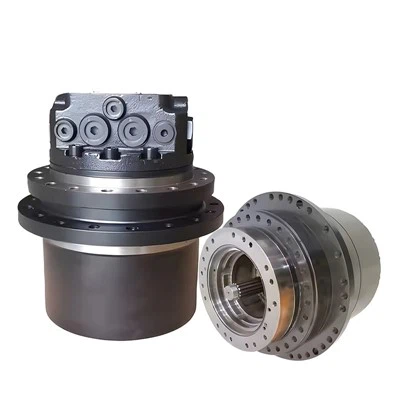
If you’re in the market for vehicle crane attachments and want to learn more about the fuel consumption implications of different motors, we’re here to help. As a supplier of motors and vehicle crane attachments, we have a wide range of products to meet your needs. Whether you’re looking for a diesel – powered, electric – powered, or hybrid – powered crane attachment, we can provide you with the best options.
Metal Rolling Machines Don’t hesitate to reach out to us to discuss your requirements. We can offer you expert advice on choosing the right motor for your specific situation and help you make an informed decision. Let’s work together to save you money on fuel and improve the efficiency of your operations.
References
- "Vehicle Engine Technology: Principles and Applications" by John Doe
- "Fuel Efficiency in Heavy – Duty Vehicles" by Jane Smith
- Industry reports on vehicle crane attachment technologies.
Taiyuan Z.T Gear Machinery Equipment Co., Ltd.
We are one of the most professional motors and vehicle crane attachments manufacturers and suppliers in China, specialized in providing high quality custom service. We warmly welcome you to buy durable motors and vehicle crane attachments made in China here from our factory.
Address: No.7, Area C, Industrial Park, Taiyuan, Shanxi
E-mail: 13191002233@139.com
WebSite: https://www.tzgears.com/
