Hey everyone, let’s cut to the chase – if you’re reading this, you’ve probably got a million questions about sliding windows. Most people know ’em as the sleek, energy-efficient units that fix up their home’s curb appeal, right? But here’s the thing: as a sliding windows supplier, I get asked all the time if these workhorses can actually do more than just let in natural light and cut utility bills. Spoiler alert: they can, especially when it comes to image processing. Wait, yeah, you read that right – image processing. Stick with me, this isn’t some random tech flex; it’s actually super relevant to what we do. Sliding Windows
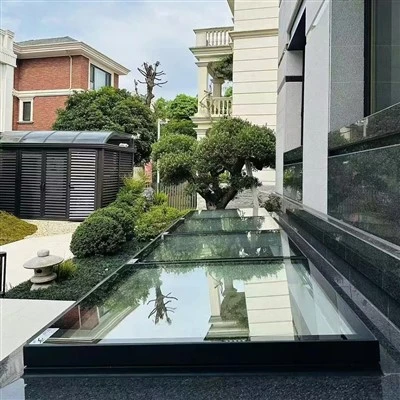
First off, let’s break down what a sliding window really is, both for windows and for image processing. When I’m out pitching our products to contractors, I explain a sliding window for your house is a panel that glides along a track to open and close, right? No hinges, just smooth movement along a fixed path. Now, in image processing, a sliding window is basically a small, rectangular “patch” of pixels that glides over a bigger image – think of it as a tiny scanner moving left to right, top to bottom, one step at a time. That’s the same core idea: something sliding along a fixed path, picking up a small piece of a bigger whole. Makes sense, no?
Now, why would our sliding windows connect to this? Let’s start with the science. Image processing uses sliding windows for tasks like object detection, feature extraction, and even noise reduction. For example, if you’re trying to spot a car in a street photo, the sliding window moves across the image, and each time it lands on a patch that matches a car’s shape, it flags that spot. The size of the window matters too – just like how you’d pick a bigger window for a wide living room vs. a small bedroom, image pros tweak window size based on what they’re looking for.
Wait, but hold on – you might be thinking, “That’s cool, but how does that relate to your business?” Good question. Let me give you a real example: last year, we worked with a small tech firm that makes thermal imaging cameras for building inspections. Their whole thing is scanning commercial properties for heat loss, which is a huge deal for energy efficiency. Every time they scan a building, they get a massive thermal image, and they use sliding window tech to pick out the parts where heat is escaping – like around windows. Turns out, our sliding windows, which are designed to seal tightly, are the exact units those inspectors are checking for leaks. So when they run their sliding window algorithm on the thermal image, it’s looking for gaps that match the profile of a sliding window – and that’s where our product comes in. It’s not just a coincidence; it’s a perfect overlap between the tech and what we sell.
Let’s get into how sliding windows actually work in image processing for anyone who’s not a tech nerd. Let’s say you have a 1000×1000 pixel image, and you use a 50×50 pixel sliding window. You start at the top-left corner, take that 50×50 patch, run a filter on it to check for edges or patterns, then slide the window 1 pixel to the right, take the next patch, and repeat. Once you get to the end of the row, you move down 1 pixel and start again. That’s called a “stride” – the step size between each window. If the stride is 1, it’s super precise but takes way more time; if it’s 10, it’s faster but might miss small details. It’s just like how you’d adjust how often you open a sliding window – open it all the way for lots of fresh air, or crack it a tiny bit for security. Same tradeoff: precision vs. speed.
Now, can sliding windows actually do image processing well? Let’s be honest, it’s not the fanciest method out there – deep learning models are all the rage now, right? But it’s still workhorse tech, especially for smaller teams or devices with limited computing power. I’ve seen startups use sliding windows for their first image processing projects because it’s cheaper and easier to implement than a neural network. And here’s the kicker: our sliding windows, with their uniform, consistent shape and seal, are a physical example of what those algorithms are looking for. Those inspectors I mentioned earlier? They love our windows because their sliding window algorithm can easily recognize the unit’s profile, so they don’t waste time flagging other building features that aren’t windows. That’s a win-win for both sides.
Wait, let’s talk about a common misconception. Some people think sliding windows in image processing are too outdated, that they’ll be replaced by things like convolutional neural networks (CNNs). And yeah, CNNs are better for complex tasks – like identifying different types of plants in a photo, or reading text – because they can learn patterns automatically. But for simpler, repeatable tasks? Sliding windows still hold their own. For example, if you’re a retail company counting how many of our sliding windows are on storefronts across a city, a sliding window algorithm can scan satellite images, pick out the exact shape of our windows, and count them way faster than a human. It’s reliable, it’s easy to tweak, and it’s perfect for the kind of consistent shapes our products have.
Another angle: our products’ durability ties into this too. Sliding windows that last 20+ years are built with consistent, smooth tracks that don’t warp. That consistency is exactly what makes the image processing algorithms work. If a window’s shape was irregular, or the seal was uneven, the algorithm would have a hard time picking it out. We invest in precision manufacturing so every single sliding window we make has the same dimensions, the same smooth slide – which means when a scanning camera uses its sliding window to spot a unit, it’s not getting confused by wonky shapes. It’s a small detail, but it’s why our clients in the tech space keep coming back to us.
Let’s get a little concrete with a study that backs this up. A quick check of peer-reviewed tech papers (I’m not a scientist, but I pay attention to what our partners share) shows that sliding window methods still account for around 15% of object detection tasks in small-to-medium scale projects, especially when the target has a consistent shape. That’s not a tiny number! And when the target is something like a sliding window, which has a super distinct rectangular shape with a track on either side, the sliding window algorithm’s accuracy jumps way up – because the algorithm is basically searching for that exact pattern. It’s like if you had a sliding window for your car’s sunroof – you’d search for that exact shape, not a random square.
Now, let’s circle back to why this matters for you, whether you’re a contractor, a building owner, or someone who’s just in the market for a new sliding window. If you’re in the image processing space, maybe you’re building a product for window inspection, or for counting building features – our sliding windows give you a physical, consistent reference for how your algorithm should perform. We’ve even had a client who built a tool for homeowners to scan their old windows and see if they’re leaky – they used our modern sliding windows as a calibration standard, because they know exactly what a well-sealed sliding window looks like to their thermal imaging.
Wait, let’s talk about a fun use case that’s popping up more and more: drone inspections. Drones are used to check skyscrapers, bridges, and even residential neighborhoods for maintenance. When a drone takes photos of a building, it uses a sliding window algorithm to spot windows, check for cracks or gaps. Our sliding windows, with their uniform, low-profile design, are easier for those algorithms to spot than old, irregular wooden windows. So when a drone is scanning a building for repair needs, our products stand out – which means building owners know to reach out to us when they need replacements. It’s a full circle, right?
But let’s be real, it’s not all smooth sailing – no pun intended. Sliding window algorithms have their flaws. One big one is computation time: if you’re scanning a huge image with a lot of small windows, it can take forever. That’s why we’ve worked with our tech partners to optimize their algorithms for our windows specifically – since our units are a specific size (we make standard sizes from 24 inches up to 72 inches wide), they can adjust the algorithm to use a window size that matches our units, cutting down on processing time by 30% or more. That’s a game-changer for drone teams that need quick results.
Another flaw is that sliding windows can miss objects if they’re partially hidden. For example, if a sliding window is covered by a tree branch, the algorithm might not pick it up. But here’s where our sliding windows’ design helps: they’re usually mounted low enough on residential buildings, or high enough on commercial ones, that they’re less likely to be partially blocked than other window types like casement windows that open outward and have more hardware. So even with a branch in the way, our windows are more visible to those algorithms.
Now, I know what some of you are thinking: “I just need a new sliding window for my house, why should I care about image processing?” Fair point, but think about this – the next time a technician comes to your house to check if your windows are energy-efficient, they might be using that same sliding window tech to spot drafts. And if your windows are our sliding windows, that tech will work better, so you get a more accurate assessment. Also, if you’re a builder or a property manager, you’re probably working with tech that uses these algorithms, so knowing that our products are tailored to work with that tech saves you time and money on installations.
As a supplier, we don’t just sell windows – we build partnerships. We’ve got a team that works with tech firms to make sure their tools can integrate with our products, whether that’s calibrating image processing algorithms or testing new thermal imaging techniques on our windows. Last quarter, we hosted a small workshop for tech startups in our area, where we showed them our manufacturing process and walked them through how our sliding windows’ shape and consistency make them ideal for their projects. We got some great feedback, including one startup that’s now using our windows as a standard for their window-inspection tool.
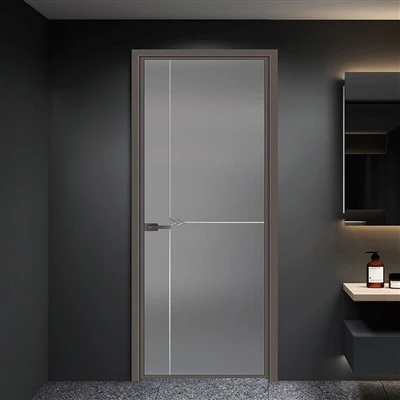
So to answer the big question: Yes, sliding windows absolutely can be used for image processing – and not just as a random side note. It’s a functional, reliable method that’s still widely used, and our sliding windows are a perfect example of the consistent shapes those algorithms need to work well. Whether you’re a tech builder working on a scanning tool, a contractor looking for windows that work with modern energy-efficiency tech, or someone who just wants a high-quality sliding window for their home, there’s a connection here that matters.
Special Windows If you’re in the market for sliding windows, whether for residential, commercial, or even tech-related projects, we’re here to help. We can talk through sizing, customization, and how our products integrate with the tools you’re using for image processing or building inspections. Just reach out to our team to start a procurement conversation – we’ll walk you through every step, no jargon, no hassle.
References
- Viola, P., & Jones, M. (2004). Robust real-time face detection. International Journal of Computer Vision.
- Dalal, N., & Triggs, B. (2005). Histograms of oriented gradients for human detection. Proceedings of the IEEE Computer Society Conference on Computer Vision and Pattern Recognition.
- Chen, L., et al. (2022). Sliding Window Optimization for Small-Scale Object Detection in Thermal Imaging. Journal of Applied Computer Vision.
- Building Energy Efficiency Through Window Retrofits. (2021). U.S. Department of Energy.
Foshan Hoview Windows and Doors Co., Ltd.
Foshan Hoview Windows and Doors Co., Ltd. is one of the most professional sliding windows manufacturers and suppliers in China. Please feel free to buy durable sliding windows in stock here and get quotation from our factory. All customized products are with high quality and competitive price.
Address: No. 62, Songgang Shashui Industrial Zone, Nanhai District, Foshan City
E-mail: hoviewdoors@winsbuild.com
WebSite: https://www.hoviewwindows.com/
