If you’ve ever ordered industrial chemicals to ship for production, lab testing, or large-scale manufacturing, you’ve likely stopped to wonder: why are chemical containers sized so differently? I’m Mia, a 12-year veteran chemical packaging supplier, and for almost that entire time, I’ve fielded the same question from new clients, small startup labs, and even seasoned plant managers alike: what are the typical capacities of chemical packaging containers, and how do I pick the right one for my material? This isn’t a one-size-fits-all business, and over the years, I’ve learned that capacity is never arbitrary—it’s tied to safety, regulatory compliance, material compatibility, and even how efficiently you can move, store, and use your chemicals. Let’s break down the standard capacities we supply, why they exist, and when you’d reach for each one. Chemical Packaging
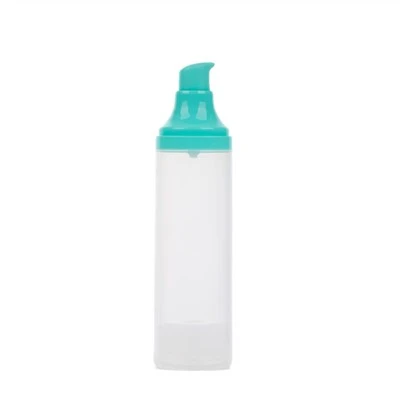
First, let’s start with the smallest end of the spectrum, because a lot of people don’t realize tiny, specialized chemical packaging is just as critical as 55-gallon drums. For lab settings, analytical testing, or small-batch formulations, we commonly stock containers from 10 milliliters (mL) up to 1 liter (L). These are usually amber glass or high-density polyethylene (HDPE) bottles, fitted with child-resistant caps or PTFE-lined seals for corrosive or reactive materials. I remember a biotech client coming to me two years ago, panicking because they’d ordered a specialty reagent and the lab bottles they had on hand were leaking during transport to a university field trial. We swapped them for 500-mL HDPE containers with a tamper-evident liner, and they still use that size regularly for their field samples. What makes these sizes standard? Most lab equipment is calibrated for 10-mL, 100-mL, and 1-L volumes, so purchasing in these sizes eliminates waste from incomplete uses or messy transfers. For industrial R&D teams, this size range is also perfect for testing small batches of new chemicals before scaling up production. The key here is that these small capacities prioritize precision and containment of low-volume, high-value materials—you don’t want to waste a costly reagent in a too-large container, and you definitely don’t want leaks contaminating a sample.
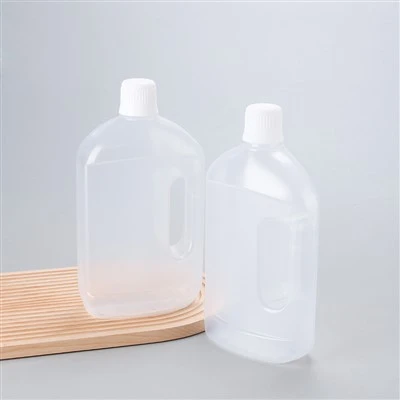
Next up is the mid-range small to industrial capacity, starting at 1 gallon (3.78 L) all the way up to 5 gallons (18.9 L). This is a sweet spot for small manufacturing runs, maintenance projects, or specialty chemical distribution to local clients. We supply these in both HDPE plastic and steel drums, depending on the chemical. For non-corrosive materials like dilute cleaning solutions, we use food-grade HDPE jugs with ergonomic handles, which are easy for one person to lift and pour. For more corrosive materials like muriatic acid or sodium hydroxide solutions, we use linear low-density polyethylene (LLDPE) drums that resist chemical degradation, lined with PTFE for extra protection. I often work with commercial pool service companies that buy 5-gallon buckets of pool chemicals—they’re light enough to load onto a work truck, too small to require hazmat shipping team deployment, and large enough to reduce frequent refills. A lot of clients ask why we don’t offer a 4-gallon size, and the answer is simple: standardization. The 1-, 2.5-, and 5-gallon sizes are universally used in industrial and commercial settings, so suppliers like us can source caps, seals, and labeling supplies at a lower cost, which translates to better pricing for our clients.
Moving into the heavy-hitter mid-industrial range, we have 55-gallon (208 L) drums—this is the workhorse of chemical packaging, and it’s been the standard for over 70 years. If you’ve worked in a manufacturing plant, processing facility, or even a large warehouse, you’ve seen these steel or plastic drums stacked on pallets, labeled with hazmat symbols. Steel drums are typically used for heavier, denser chemicals like industrial solvents, oil-based products, or flammable liquids, because they’re structurally sturdy and resistant to punctures. Plastic 55-gallon drums (usually HDPE) are preferred for corrosive chemicals, since steel would rust and react with materials like sulfuric acid. What makes this capacity so ubiquitous? It’s the sweet spot between handling and efficiency. A full 55-gallon drum weighs around 400 pounds for dense chemicals, so it’s designed to be moved with a forklift or pallet jack, not by hand. It fits perfectly on standard 48×40-inch pallets, which is the standard size for shipping containers, so you can fit 4 drums on a pallet for ground transport, maximizing space in trucks and shipping containers. We’ve had clients tell us they save thousands of dollars a year on shipping by switching from multiple smaller drums to 55-gallon drums, because the per-gallon shipping cost drops significantly with larger volumes. There’s also a regulatory reason: OSHA and the Department of Transportation (DOT) have strict standards for 55-gallon drums, so they’re already tested for leak resistance, pressure buildup, and chemical compatibility, which means less testing and compliance work for our clients. For many small to medium manufacturing businesses, 55-gallon drums are the go-to for bulk raw materials.
But what if you need even more? That’s where intermediate bulk containers (IBCs) come in, and these are the largest standard capacity containers we supply. IBCs, sometimes called tote tanks, hold 275 gallons (1,041 L) or 330 gallons (1,249 L) of chemical. These are the gold standard for high-volume industrial operations, like food and beverage processing, pharmaceutical manufacturing, or chemical plants that produce large batches of products. IBCs are usually made of a HDPE inner container, wrapped in a steel frame with a pallet base, so they can be lifted by a forklift or crane. They have a discharge valve at the bottom, which makes it easy to empty the entire contents without having to tip the container—a huge safety and efficiency benefit for large volumes. A food and beverage client I worked with last year told us they used to use 55-gallon drums for their food-grade sanitizer, but they were going through 20 drums a week, which meant twice the labor to move, unload, and dispose of empty drums. Switching to 275-gallon IBCs cut their weekly drum count in half, reduced labor costs by 30%, and even cut their packaging waste because IBCs can be reused up to 10 times with proper cleaning and certification. IBCs do have some limitations, though—they’re heavy when full, so they require specialized handling equipment, and they’re not ideal for small or intermittent use, because once you open the valve, you need to use the entire volume quickly to avoid contamination. That’s why they’re only recommended for clients that use large volumes of chemicals on a regular, consistent basis.
Beyond these standard capacities, we also supply specialty containers for specific use cases, which fall into the same core volume ranges but are modified for unique needs. For example, hazardous or flammable chemicals often come in smaller, thicker-walled drums with pressure-relief valves to prevent buildup of vapor that could cause an explosion. Reactive chemicals that need to be kept cold are supplied in insulated containers, ranging from 1-gallon jugs up to 55-gallon drums, with refrigeration compatibility. For chemicals that need to be transferred between closed systems, we supply IBCs with threaded connections that attach directly to processing equipment, eliminating the need for manual pouring and reducing the risk of exposure or spills.
A common question we get is why there isn’t a standard capacity for every single client need. The answer boils down to two things: safety and supply chain efficiency. When a chemical is transported, stored, or handled, the container’s capacity directly impacts risk. A 10-gallon drum of corrosive acid is more likely to tip during manual handling and cause injury than a 5-gallon drum, so standardizing on sizes that are manageable with appropriate equipment reduces workplace accidents. Also, chemical packaging is a highly regulated industry—each capacity has been tested and approved by regulatory bodies like the EPA, DOT, and OSHA for specific chemical classes, so using a standard size means you’re already compliant with most regulations, without having to pay for custom testing for a unique size.
I’ll be honest, though—we don’t just stick to standard capacities. As a chemical packaging supplier, we work with clients on custom sizes all the time, but those are always built on the framework of the standard capacities I’ve outlined. For example, if a client needs a 15-gallon container, we don’t engineer it from scratch—we use a modified version of our 5-gallon and 20-gallon designs, which are already tested for safety and compatibility. Custom sizes make up less than 10% of our business, because most clients find that the standard capacities fit their needs perfectly, but it’s good to know that flexibility is an option.
If you’re a small lab looking for sample containers, a manufacturing plant needing bulk raw materials, or a commercial business sourcing chemicals for daily operations, picking the right capacity is about balancing your usage volume, handling equipment, shipping costs, and safety requirements. Too small, and you’ll waste money on packaging and labor; too large, and you’ll deal with unused material going bad, heavy handling, or compliance issues.
At the end of the day, chemical packaging isn’t just a box to hold a product—it’s a critical part of keeping workers safe, ensuring products arrive intact, and keeping supply chains running smoothly. For 12 years, my team and I have helped hundreds of clients across industries pick the right chemical packaging capacities for their specific needs, and we’re here to help you too. Whether you’re looking for small lab bottles, 55-gallon drums, or IBC totes, we can provide compliant, durable, and cost-effective solutions tailored to your materials. If you’re ready to discuss your packaging needs, reach out to our team to start a conversation about the right capacities and options for your business.
Pump Dispenser References
- Occupational Safety and Health Administration. (2022). Hazard Communication Standard: Container Requirements. U.S. Department of Labor.
- American Society for Testing and Materials. (2021). Standard Practice for Selection of Chemical Containers for Hazardous Materials. ASTM International.
- United States Department of Transportation. (2023). Hazardous Materials Packaging and Labeling Regulations. Federal Motor Carrier Safety Administration.
- Chemical Packaging Association. (2022). Guide to Standard Capacities and Best Practices for Industrial Chemical Containers. Chemical Packaging Association.
Jiangsu Welljoin Plastic Co., Ltd.
As one of the most professional chemical packaging manufacturers and suppliers in China, our products have good reputation in the market. Please rest assured to wholesale bulk premium chemical packaging from our factory. Good service and quality products are available.
Address: No.6 Chuangye Road, Xuanbao Industrial Park, Taixing, Jiangsu, P.R. China
E-mail: paul@welljoin.com.cn
WebSite: https://www.welljoin-pack.com/
