Hey everyone, I know a lot of folks who’ve gotten super into DIY outdoor projects lately—whether it’s prepping their yard for pest season, applying fertilizer to get that lush green lawn, or even sprucing up outdoor furniture with a fresh coat of sealant. And over the past few years, I’ve had way too many customers hit me up asking the same question: “Can I actually use a powder sprayer outdoors?” Like, I get why they’re confused—you see these powder sprayers labeled for indoor use all the time, and it’s easy to assume they’re only for shelves or small indoor tasks. But let me tell you, as someone who’s been supplying powder sprayers for almost a decade now, this isn’t a black-and-white answer. Today I’m breaking this down straight, no fancy jargon, and spilling everything you need to know if you’re thinking about grabbing one for your next outdoor job. Powder Sprayer
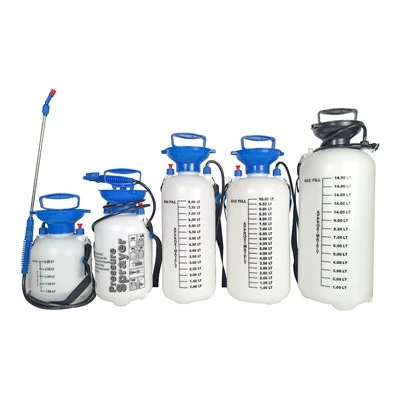
First, let’s cut through the noise and remember what a powder sprayer actually does, right? It’s not like a hose sprayer that squirts liquid—these tools move dry, fine powder (think fertilizer granules, bug dust, sealant powder, even craft powder for big projects) through a nozzle and distribute it evenly. A lot of people mix them up with dusters or liquid sprayers, but the key here is the dry medium. Now, outdoors, there are way more variables than inside—wind, moisture, uneven terrain, even humidity. That’s where the confusion starts, but also where the right sprayer makes all the difference.
Let’s get one thing out of the way first: Yes, you can use a powder sprayer outdoors—but not all powder sprayers are built for it. I’ve seen way too many people show up with an indoor plastic sprayer they use for craft glitter or small indoor bug dusting, and by the time they’re halfway through their front lawn, half the powder is blowing into their neighbor’s rose bushes or sticking to their own shirt before it even hits the grass. That’s not a failure of the powder sprayer itself—that’s using the wrong tool for the job. Outdoor-grade powder sprayers are built to handle the elements, plain and simple.
What makes a powder sprayer outdoor-ready, anyway? Let’s talk specs that matter, not just marketing buzzwords. First, the build material. Indoor sprayers are often cheap thin plastic that cracks if you drop it on a patio or get left in the sun. Outdoor ones use heavy-duty UV-stabilized plastic or even powder-coated metal—they won’t break if you set them down on uneven ground, and they won’t get brittle from being left in the garage or sun all summer. Next, the nozzle system. Outdoor sprayers have adjustable nozzles that don’t clog easily and can target a wider area, plus they have more airflow control so you can dial back the spray if it’s breezy. I’ve had customers tell me they swear by the variable flow settings—when there’s a 5mph breeze, they crank it down, and when it’s dead calm, they go full blast. That’s the kind of flexibility you don’t get with those tiny indoor sprayers.
Also, let’s not forget about the powder itself. A lot of people don’t realize that not all powder is meant for outdoor use in a sprayer. You can’t just grab random baking powder or craft glitter (as fun as that would be) and expect it to work for your lawn. Outdoor-grade powders are milled to be the right particle size—too fine and they blow away, too big and they clog the nozzle. Fertilizer for lawns, garden pest dust, wood sealant powder for decks—all that is formulated specifically to work with outdoor powder sprayers. Using the wrong powder is a quick way to mess up your project, so always check the product label to make sure it says it’s compatible with spray application, not just hand spreading.
Now, let’s get real about the challenges of outdoor use, because I’m not gonna sugarcoat it—powder sprayers do have a few hurdles when you’re working outside. The biggest one is wind. I’ve had customers call me panicking because their whole bag of bug dust blew into the street mid-spray. Here’s the trick, though: it’s not the sprayer’s fault if you don’t time it right. I always tell folks to check the weather first—wait for a calm day (under 10mph wind, max) if you want even coverage. Pro tip: if there’s a light breeze, spray perpendicular to the wind direction, not with it, so the powder lands where you want it, not in your eyes. I’ve learned this the hard way—my first summer selling sprayers, a customer showed up with a video of himself covered in fertilizer dust, laughing through the chaos. He was spraying directly into a 12mph wind. Oops.
Another thing people worry about is moisture. If you’re spraying in high humidity or even a light drizzle, powder can clump up in the sprayer nozzle or the tank, right? That’s why outdoor sprayers have anti-clog features—some have small air filters that keep dry air flowing through the tank to prevent clumping, which indoor sprayers often lack. I always remind my customers to clean their sprayer right after each use, too—even outdoor ones. If you leave powder sitting in the tank, it’ll harden and ruin the nozzle for next time. It takes two minutes to rinse it with a little water and let it dry, way easier than dealing with a clogged sprayer mid-project.
Wait, let’s talk about common outdoor jobs people use powder sprayers for, because that’ll make it concrete. Lawn care is the big one—applying pre-emergent weed control, granular fertilizer, even lime to balance soil pH. A lot of homeowners switch from hand spreading to powder sprayers because it’s way faster and more even. Hand spreading often leaves lumps of fertilizer that burn the grass, but a good sprayer distributes it uniformly. Then there’s gardening—veggie beds, fruit trees, pest dust for aphids or beetles. If you have a big garden, a sprayer covers way more ground than a shaker bottle. And don’t forget outdoor projects—sealant powder for wooden decks or fences, even concrete hardener for driveway repairs. I had a guy last month use one to apply powder coating to his old outdoor metal patio furniture, and he said it turned out way better than brushing it on.
Now, let’s address the times when you might not want to use a powder sprayer outdoors. If you’re working on a tiny, detailed space—like a window box full of delicate flowers—an indoor sprayer might be better, because it’s more precise. But for large, open areas, powder sprayers are unbeatable. Also, if you hate cleaning tools? Wait, no—even outdoor sprayers are easy to clean, but if you’re looking for something you can toss after one use, maybe go for a disposable duster. But for anyone doing regular outdoor projects, a reusable powder sprayer is a no-brainer.
I should also share a quick customer story that stuck with me, because it’s exactly why I know these work. Last year, a guy named Mike from Ohio reached out to me—he’d tried three different indoor sprayers for his 1/2 acre lawn and they all sucked, half the powder blowing away, clogs every five minutes. He ordered one of our heavy-duty outdoor sprayers, and a week later he sent me a photo of his lawn—super even, no missing patches. He told me he sprayed it in 45 minutes, instead of the three hours it takes him to hand spread. That’s the payoff, right? These tools aren’t just for indoor tiny tasks anymore.
Wait, what about the myth that powder sprayers are wasteful? I hear that a lot. People say “why use a sprayer when you can just spread by hand?” and yeah, if you do it wrong, you waste powder. But with a good outdoor sprayer, you can adjust the flow to match your needs, and the even coverage means you use less product overall. I’ve had customers tell me they cut their fertilizer use by 20% once they started using a sprayer, because there’s no over-applying in some spots and under in others. That’s not just good for your lawn—it’s better for the environment, less product running off into storm drains.
So, to recap the key points here, in case you skipped ahead: 1) Yes, powder sprayers work outdoors, but only the ones built for it—skip the cheap indoor ones. 2) Match your powder to the sprayer and the job—use outdoor-grade, correctly milled powder. 3) Time your project for calm, low-humidity days to avoid wind and clumping. 4) Clean your sprayer after every use to keep it working.

Now, if you’re reading this and you’re thinking “alright, I need one of these for my yard, or my garden, or that deck project I’ve been putting off”—hit me up. As a powder sprayer supplier, I don’t just sell tools, I give advice. I can help you pick the right size (small ones for balconies, big ones for acres), the right nozzle, even the right powder for your specific job. No pushy sales stuff, just straight answers from someone who’s been in this game for years and has seen every trick and mistake out there. Whether you’re a homeowner doing your first lawn project or a small landscaper needing something reliable for weekly garden upkeep, I’ve got you covered.
Manual Sprayer References:
- American Society of Agricultural and Biological Engineers. (2020). Performance standards for agricultural powder application equipment outdoors. ASABE International Standards.
- University of California Agriculture and Natural Resources. (2021). Proper application methods for granular fertilizers and pest control products in home gardens. UC ANR Publication 8527.
- National Pest Management Association. (2022). Equipment recommendations for outdoor powder-based pest control applications. NPMA Technical Bulletin.
- ASTM International. (2019). Standard specification for UV-stabilized plastic construction for outdoor application equipment. ASTM D6108-19.
Zhejiang Menghua Sprayer Co., Ltd.
As one of the most experienced powder sprayer manufacturers in China, we have world-leading production equipment and strong manufacturing capabilities. Please feel free to buy advanced powder sprayer for sale here from our factory. For price consultation, contact us.
Address: No.5, Houshi Road, Beicheng Street, Huangyan District, Taizhou, Zhejiang
E-mail: sales@menghua-sprayer.com
WebSite: https://www.menghua-sprayer.com/
